Cosmetic Dentistry Bakersfield CA for Special Events and Milestones
A calendar can change how people think about their smile. Most of the year, a chipped front tooth or worn enamel sits in the background, easy to ignore between work, errands, and family obligations. Then a milestone lands on the horizon: a wedding, reunion, job interview, retirement party, quinceañera, graduation, or a long-awaited family photo session. Suddenly, small cosmetic concerns feel much larger because the event itself carries weight. Pictures will be taken. People will gather close. Memories will last.
That is often the moment patients start looking seriously at Cosmetic Dentistry Bakersfield CA practices and treatment options. Not because vanity suddenly takes over, but because milestones have a way of sharpening priorities. People want to look like themselves, just a little more rested, healthy, and confident. The best cosmetic dentistry does exactly that. It does not create a different face. It removes distractions, softens signs of wear, and helps the smile match the importance of the occasion.
When timing matters as much as treatment
Special events come with deadlines, and dentistry does not always move on the same schedule as event planning. That mismatch is one of the biggest practical issues patients face. A venue can be booked in a morning. A smile makeover may take weeks or months, depending on what needs to be done and how the mouth responds.
This is where experienced planning matters. A simple whitening treatment may fit easily into a short timeline. Bonding for a chipped tooth can often be completed quickly as well. Veneers, crowns, gum contouring, aligner treatment, or replacing old dental work usually demand more lead time. Not because offices want to stretch the process out, but because good cosmetic work depends on preparation, healing, accurate lab work, and careful bite adjustments.
I have seen the difference timing makes. Someone who starts six months before a wedding usually has more options, less stress, and a better final result than someone who calls three weeks before rehearsal dinner asking for a total transformation. Last-minute improvements are possible, and sometimes surprisingly effective, but there are limits. Ethical dentists should say so plainly.
The milestones that commonly prompt cosmetic treatment
The most common event-driven appointments tend to cluster around a few life moments. Weddings lead the list, not just for brides. Grooms, parents of the couple, wedding party members, and even grandparents increasingly seek treatment before a major celebration. High school and college graduations come next, especially when families are planning formal portraits. Reunions often bring requests for whitening and replacement of visible old fillings. Professional milestones, such as a promotion, speaking engagement, or launch into client-facing work, can push someone to finally address a smile they have hidden for years.
There is also a quieter category that matters just as much: personal turning points. A divorce, recovery after illness, a milestone birthday, or a decision to begin dating again can motivate treatment in a very real way. These patients are not chasing perfection. They are trying to feel comfortable being seen again. That deserves respect, not sales pressure.
What people usually want fixed before a major event
Most event-driven cosmetic concerns fall into a predictable range. Teeth may be darker than they used to be from coffee, tea, red wine, tobacco, or simply age. A front tooth may have chipped years ago and never looked quite right after a quick repair. Older crowns can stand out because the color no longer matches neighboring teeth. Some patients are bothered by uneven edges, small gaps, mild crowding, or black triangles near the gums. Others are less focused on shape and more concerned with photos, especially how teeth look under bright lighting.
Interestingly, many people who ask for a “full smile makeover” do not need one. They need thoughtful triage. A skilled cosmetic dentist often improves the smile by addressing two or three high-visibility issues instead of rebuilding everything. Whitening, replacing one mismatched crown, and recontouring a rough edge can create a dramatic difference without overtreatment.
That judgment is worth a great deal. Cosmetic dentistry is not just about what can be done. It is about what should be done, in what order, and whether the result will still look natural when the excitement of the event has passed.
The treatments that fit short timelines
If the event is close, dentists usually look first at procedures with fast recovery, predictable esthetic payoff, and low disruption to daily life. Whitening is the obvious example, but even whitening requires nuance. Existing crowns and fillings do not bleach, which means brightening the natural teeth may make old restorations look darker by comparison. That is a detail many patients do not know until they are in the chair. It matters most in the front of the mouth.
Bonding is another excellent option when used in the right case. For chips, worn corners, slight asymmetry, or small gaps, composite bonding can often produce an immediate improvement. It is conservative and usually more affordable than porcelain. The trade-off is durability. Bonding can stain over time and may need touch-ups, especially for patients who bite their nails, chew ice, or grind.
Contour reshaping can also help. Tiny changes to tooth edges or uneven enamel can improve symmetry more than people expect. It is not appropriate for every smile, but when it works, it works elegantly and quickly.
For some patients, a professional cleaning is the unsung hero. Surface stain, plaque buildup, and gum inflammation can make teeth look older and less healthy. A clean, polished smile with calmer gum tissue photographs far better than many people realize.
Longer-lead options for more substantial change
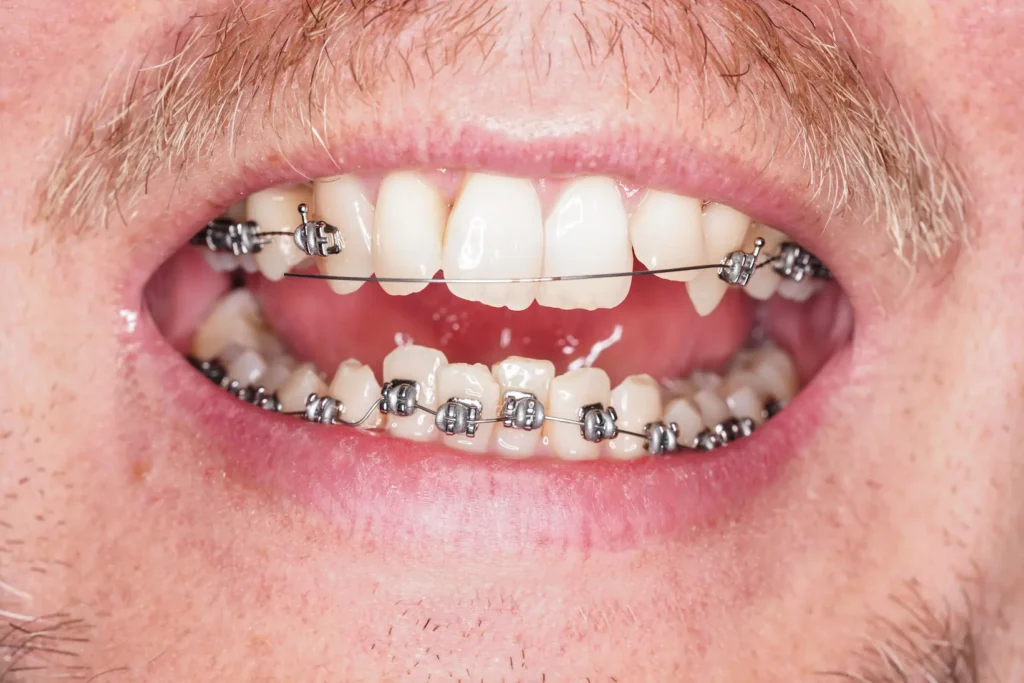
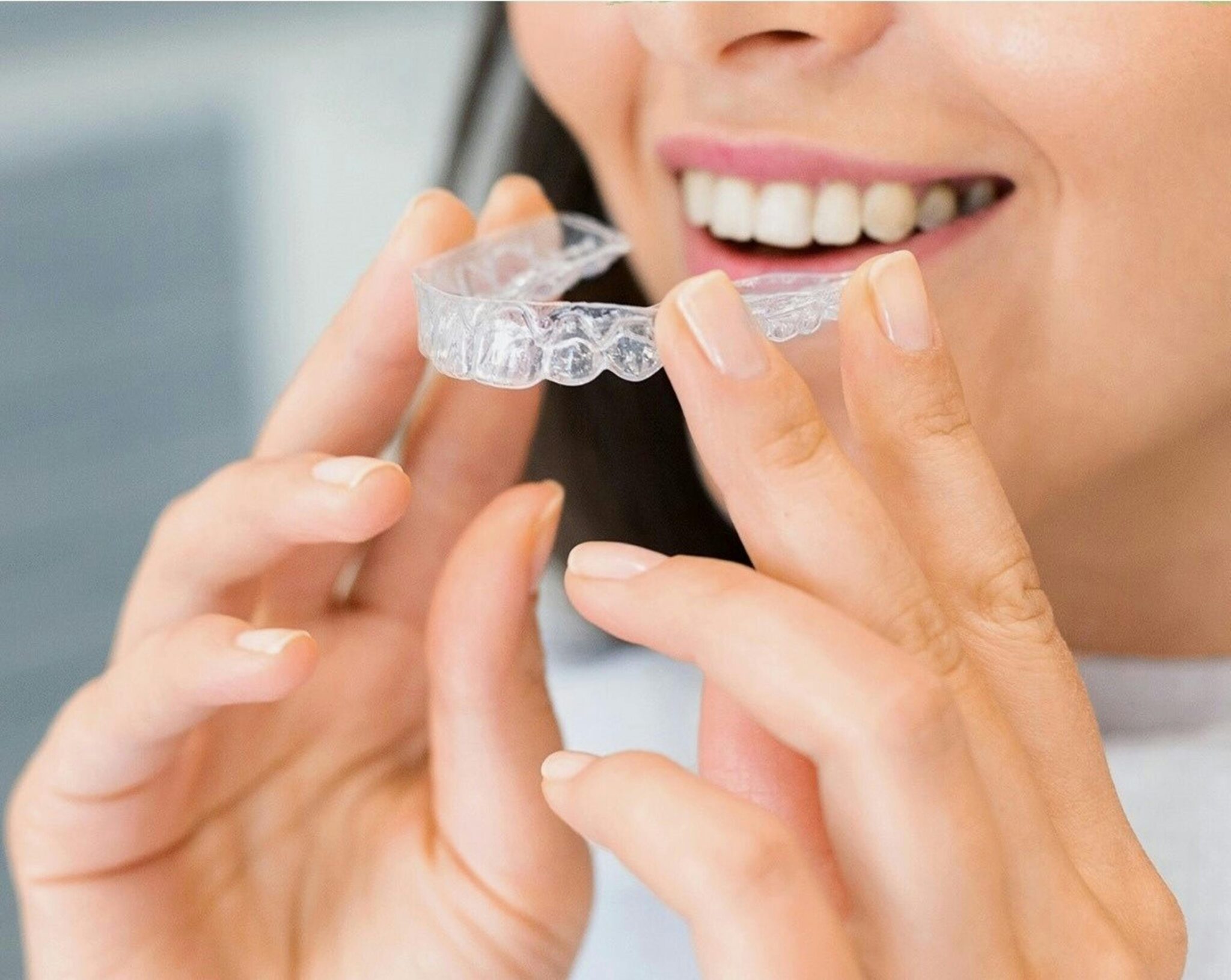
When patients have several months before a milestone, treatment planning opens up. Veneers become a realistic option for front teeth with multiple cosmetic issues, such as staining, shape problems, minor misalignment, or enamel defects. Clear aligners may correct crowding or spacing that would be difficult to disguise with bonding alone. Replacing old crowns or failing fillings can improve both appearance and function. Gum shaping may help when the gumline appears uneven or when too much tissue covers the teeth.
These treatments offer broader change, but they require mature decision-making. Veneers are not a casual beauty treatment. They involve design choices, color decisions, and a commitment to maintenance. Orthodontic movement can improve esthetics significantly, but teeth do not move faster because an invitation has gone out. Biology sets the pace.
This is why early consultation matters. Someone preparing for a wedding next summer has time to explore aligners followed by whitening and small finishing details. Someone preparing for a reunion in six weeks likely needs a more targeted plan.
Event photos are less forgiving than everyday mirrors
People often come in saying, “My teeth look fine most days, but terrible in pictures.” They are not imagining it. Cameras, flash, and high-resolution smartphone lenses reveal things that a bathroom mirror softens. Minor color variation appears stronger. Edge translucency, old dental work, and asymmetry become easier to spot. Dry lips or dry teeth can change perceived shade. Even the angle of a smile can expose dark spaces or worn corners that do not register in casual conversation.
The most successful cosmetic planning for special events takes photography into account without overreacting to it. Teeth do not need to be paper white to look excellent on camera. In fact, overly opaque or unnaturally bright work can photograph harshly, especially against mature skin tones or in outdoor light. Natural-looking cosmetic dentistry tends to age better in photos and in person.
A good dentist will also ask practical questions. Will the event be indoors or outdoors? Daytime or evening? Will there be a lot of close-up photography? Is the patient more concerned with the upper front teeth, or do they show a broad smile that includes several visible side teeth? Those details influence shade selection and treatment priorities more than people might expect.
Weddings bring unique pressure
Weddings deserve their own category because they combine emotional significance, social visibility, and unforgiving timelines. It is common for one person to begin the process and then realize several family members want treatment as well. A mother of the bride may want whitening before photos. A groom may finally replace a chipped central incisor. A bride may pursue veneers after years of feeling self-conscious about enamel staining. The pressure escalates quickly.
The right approach is rarely maximal. It is strategic. For a wedding, cosmetic dentistry should support the person, not dominate the months before the event. If treatment will create stress, healing uncertainty, or visible temporary work too close to the date, it may be wiser to postpone part of the plan. There is nothing glamorous about rushing into complex treatment while final dress fittings, travel logistics, and family expectations are piling up.
For wedding patients, I usually think backward from the event date. Final cosmetic work should be completed early enough to allow for minor refinements and for the patient to get used to the result. New veneers or crowns can look beautiful immediately, but a brief adjustment period is normal. Speech, lip posture, and bite awareness may settle over days or weeks. Nobody wants that learning curve to begin the morning of engagement photos.
Reunions and milestone birthdays call for a different kind of honesty
Reunions and milestone birthdays trigger a particular kind of self-scrutiny. People compare their current face to a remembered younger version of themselves. Sometimes they bring in an old photo and point not to a movie-star smile, but to the smile they had at twenty-five before years of wear, grinding, restorations, and staining changed it.
That is a very different cosmetic goal. It is not about reinvention. It is about restoration. In those cases, preserving character matters. A tiny bit of asymmetry may actually belong there. A smile can look refreshed without becoming generic. The best cosmetic dentists understand that age-appropriate esthetics are not second-best esthetics. They are often the most convincing and flattering choice.
There is also an emotional piece that should not be Cosmetic Dentistry Bakersfield CA ignored. Some patients approaching a retirement party or sixtieth birthday feel embarrassed admitting they care about their teeth. They should not. Wanting to look healthy and confident during a milestone is not superficial. It is human.
Budget, durability, and the temptation to do too much
Money always matters, especially when cosmetic treatment coincides with event spending. Weddings, graduation expenses, travel, clothing, and photography already stretch budgets. Good treatment planning acknowledges that reality.
Patients are often choosing among speed, longevity, and cost. Whitening is relatively affordable and fast, but it does not change shape or repair structural issues. Bonding is conservative and usually less expensive than porcelain, but it may require maintenance sooner. Veneers and ceramic restorations often deliver superior stain resistance and longevity, but the upfront investment is higher. Clear aligners can be transformative, yet they rarely fit a last-minute timeline.
The wrong way to handle these trade-offs is with shame or pressure. The right way is with clarity. If a patient can only do one thing before an event, the dentist should identify the one thing likely to create the most visible improvement. In many cases, that is enough. There is real value in a focused plan rather than a sprawling one.
A useful planning window for common goals
For patients exploring Cosmetic Dentistry Bakersfield CA options before a major event, these time frames are generally practical:
- Two to four weeks can work for cleaning, polishing, selective bonding, and some whitening cases.
- Six to twelve weeks gives more room for whitening, replacement of visible restorations, bite evaluation, and refinement visits.
- Three to six months may support veneers, multiple ceramic restorations, gum contouring, or staged cosmetic changes.
- Six months or longer is better for clear aligners, complex esthetic rehabilitation, or treatment that depends on gum and bone stability.
These are planning ranges, not guarantees. Every mouth has its own pace, and any dentist promising a major cosmetic transformation on an unrealistic schedule deserves careful questioning.
Why oral health has to come first
Cosmetic requests sometimes uncover untreated dental problems. A patient comes in wanting whiter teeth and learns they have recession, active decay, or cracked restorations. Another wants veneers but is grinding heavily at night and wearing through enamel. Someone else wants an instant improvement for a graduation but has bleeding gums that need attention before any cosmetic result will look healthy.
This is not a detour from cosmetic dentistry. It is the foundation of it. Beautiful dental work on an unhealthy mouth tends to fail, or at minimum looks less convincing. Inflamed gums can ruin the appearance of even expensive restorations. Tooth sensitivity can limit whitening options. Bite instability can shorten the life of cosmetic repairs.
A thorough evaluation may feel less exciting than choosing shades and shapes, but it protects the investment. It also protects the patient from disappointment.
Bakersfield patients often have practical concerns that influence treatment
Local habits and daily routines matter more than marketing photos suggest. In Bakersfield, many patients work outdoors, commute long hours, manage family schedules tightly, or need treatment that fits around physically demanding jobs. That affects cosmetic planning. A patient who drinks coffee all morning in the truck, coaches little league in the evening, and grinds at night has a different maintenance profile than the idealized patient in a brochure.
Sun exposure, dry climate, and dehydration can also affect how lips and teeth look in photos. Whitening choices may need to account for sensitivity, especially in patients already prone to dry mouth. Night guards are not glamorous, but they can be essential after bonding or porcelain treatment for anyone who clenches.
That is one reason local, relationship-based care matters when choosing Cosmetic Dentistry Bakersfield CA services. The best recommendations are not generic. They are built around how a real person lives and what they can realistically maintain after the event is over.
Questions worth asking at a cosmetic consultation
A strong consultation is not a sales pitch. It should feel collaborative and specific. Patients benefit from asking direct questions, especially when a milestone date is fixed.
- What can realistically be completed before my event, and what should wait?
- Which one or two changes will make the biggest visible difference?
- How will this treatment look in photos as well as in person?
- What maintenance should I expect over the next year?
- Are there health issues or bite issues that could affect the cosmetic result?
Good dentists welcome these questions. Vague answers are a warning sign. So is pressure to commit immediately to a large treatment plan without discussion of alternatives.
The small details people remember after the event
After the event passes, patients rarely talk first about the shade tab or material choice. They talk about moments. Smiling freely in family pictures. Laughing at a toast without covering their mouth. Seeing themselves in professional headshots and feeling relieved instead of critical. Looking at wedding photos years later and recognizing themselves, just at their best.
That is the real measure of successful cosmetic dentistry. Not whether the teeth are mathematically perfect, but whether the person stops thinking about them. Milestones already carry enough emotional load. A well-planned cosmetic result removes one source of self-consciousness and lets the day belong to the occasion itself.
For anyone considering Cosmetic Dentistry Bakersfield CA before a major life event, the smartest move is to start the conversation early, define what matters most, and choose care that balances appearance, health, time, and longevity. The goal is not a dramatic mask. It is a smile that feels believable in close conversation, flattering in photos, and comfortable long after the celebration ends.
Toothworks of Bakersfield, Dentist and Orthodontist
Address: 1030 H St #1, Bakersfield, CA 93304
Phone number: +16613239421
FAQ About Cosmetic Dentistry Bakersfield CA
What is considered cosmetic dentistry?
Cosmetic dentistry includes any dental treatment focused primarily on improving the appearance of your teeth, gums, or bite rather than treating a disease or restoring basic function.
How much does cosmetic dentistry usually cost?
The cost of cosmetic dentistry typically ranges from a few hundred dollars for minor touch-ups to over $20,000 for a comprehensive smile makeover, depending entirely on the specific procedure, materials used, and how many teeth are treated. Because most cosmetic treatments are elective, they are usually paid out of pocket without insurance coverage.
Is there a difference between a regular dentist and a cosmetic dentist?
Yes, a regular dentist focuses on your overall oral health and preventing disease, while a cosmetic dentist focuses on improving the look of your smile.