Cosmetic Dentistry Bakersfield CA for Stained or Chipped Teeth
A stained front tooth or a small chip on the edge of an incisor can change the way a person speaks, smiles, and even poses for photos. It is rarely just about vanity. In practice, patients often describe the problem in practical terms first. They cover their mouth when laughing, avoid close conversation, or edit every picture before posting it. What looks like a minor cosmetic issue in the mirror can carry a surprising amount of weight in daily life.
That is why interest in Cosmetic Dentistry Bakersfield CA has grown steadily among adults of all ages. Some people want one subtle fix after a sports injury. Others are trying to undo years of coffee, tea, red wine, tobacco use, grinding, or older dental work that no longer matches surrounding teeth. The right cosmetic approach depends on the condition of the tooth, the health of the bite, the thickness of enamel, and the patient’s expectations. There is no single treatment that suits every stained or chipped tooth, and that is where good clinical judgment matters.
Why stained and chipped teeth deserve more than a quick fix
Discoloration and chipping sound simple, but they are not always simple problems. A stain may sit on the surface, or it may be deep within the tooth structure. A chip may affect only the enamel, or it may expose dentin and create sensitivity. Sometimes what a patient calls a chip is actually wear from clenching and grinding. In other cases, the real issue is an old bonding repair that picked up stains and now looks dull or rough.
A quick cosmetic patch can work beautifully when the diagnosis is right. It can also fail early if the underlying issue is missed. For example, bonding a front tooth without addressing nighttime grinding often leads to repeated chipping. Whitening teeth without checking for old visible fillings may create an uneven result, because whitening agents lighten natural enamel but do not change the color of composite resin or crowns. These details shape the final outcome.
Bakersfield patients often present with a mix of concerns rather than one isolated problem. It is common to see sun exposure and dry climate habits paired with high coffee intake, sports-related wear, or stress grinding. That does not make treatment harder, but it does mean planning should be individualized. Cosmetic work looks best when it respects function, not just color and shape.
The difference between stains that whiten well and stains that do not
One of the most useful conversations in a cosmetic consultation is about the type of discoloration involved. External stains, sometimes called extrinsic stains, usually come from foods, drinks, tobacco, or poor plaque control. These often respond well to professional cleaning and whitening. Internal discoloration, called intrinsic staining, is deeper. It may result from trauma, certain medications taken during tooth development, aging, or changes after root canal treatment. Those stains may require bonding, veneers, or crowns rather than bleaching alone.
Age matters too, but not in the way many people assume. Teeth naturally darken over time as enamel thins and the yellowish dentin underneath becomes more visible. A person in their twenties with coffee staining may respond quickly to whitening. A person in their fifties with thin enamel, old restorations, and generalized wear may need a combination approach to get a natural result.
This is also where unrealistic shade goals can create disappointment. Bright, opaque white teeth often look artificial, especially if they do not suit the person’s skin tone, lip line, or neighboring teeth. The best cosmetic dentistry usually looks like the patient was simply born with healthier, more even teeth. That takes restraint. A skilled dentist does not just ask how white you want your smile. They assess translucency, surface texture, symmetry, and the way light reflects from each tooth.
Small chips can be deceptively important
A chipped front tooth is easy to dismiss if it does not hurt. Still, even a tiny fracture can affect appearance, speech, and enamel strength. The edge of an anterior tooth plays a role in how light hits the smile. If that edge is flattened, jagged, or shortened, the entire smile can look older or less balanced.
There is also the matter of texture. Patients usually notice more than the shape itself. They run their tongue over the chipped area, feel a rough edge, and become aware of it all day. In many cases, conservative bonding can smooth and rebuild the area in a single visit. When done with careful shade selection and polishing, the repair can blend extremely well. When done hastily, it may look bulky, matte, or slightly off-color.
A chipped tooth caused by trauma requires a different level of caution than one caused by simple wear. A blow to the mouth can damage the nerve even if the outer break seems minor. Sometimes the tooth needs monitoring for color change, sensitivity, or signs of pulpal injury before a final cosmetic plan is chosen. This is one reason a proper examination should come before a cosmetic decision.
Treatments commonly used for stained or chipped teeth
The phrase Cosmetic Dentistry Bakersfield CA covers several treatments, and each has a place. The key is matching the right treatment to the right problem.
Professional whitening is often the first stop for generalized yellowing or external stains. In-office whitening can produce noticeable change quickly, while take-home trays allow more gradual control. Many dentists combine both methods, especially for patients who want a brighter result but also want to manage sensitivity.
Dental bonding is one of the most versatile tools for minor chips, small gaps, uneven edges, and localized discoloration. Composite resin can be layered and sculpted to mimic natural enamel. It is more affordable than porcelain in many cases and preserves more tooth structure. The trade-off is durability. Bonding can stain over time, especially in heavy coffee or red wine drinkers, and it may need touch-ups or replacement sooner than porcelain.
Porcelain veneers are often the best choice when a patient has several cosmetic issues at once, such as staining that will not whiten, chipped edges, mild shape irregularities, and old mismatched bonding. Veneers can deliver beautiful, stable results, but they require planning and precise execution. The dentist must evaluate bite patterns, enamel availability, and smile design carefully. Veneers are not a shortcut. They are a strong option when used for the right reasons.
Crowns are usually reserved for teeth with larger structural problems, previous root canal treatment, extensive fillings, or deeper fractures. They can improve appearance dramatically, but they involve more reduction of natural tooth structure than bonding or veneers. For a small chip on an otherwise healthy front tooth, a crown is often more treatment than needed.
Sometimes contouring plays a useful supporting role. If one tooth edge is slightly chipped and another is a little too long or sharp, subtle reshaping may improve overall balance. These are small moves, but they can have a big effect when done conservatively.
What makes a cosmetic result look natural
Patients often say they want a “perfect” smile, but most of them actually mean something more nuanced. They want a smile that looks healthy, bright, and polished without appearing fake. Natural teeth are not flat pieces of white material. They have depth, faint variations in color, translucency near the edges, and tiny surface characteristics that catch the light.
That is why one of the best signs of quality cosmetic work is invisibility. If people notice that you look refreshed or more confident without immediately identifying dental work, the result was likely well designed. Overly uniform teeth with one-dimensional whiteness may photograph well under certain conditions, but in person they can look harsh.
A dentist with cosmetic experience pays attention to proportion, not just shade. The width-to-length ratio of front teeth, the slope of the incisal edges, the way the teeth follow the curve of the lower lip, and the harmony between central incisors, laterals, and canines all matter. So does gum display. A beautifully restored tooth can still look wrong if gum levels are uneven and never addressed in planning.
Bakersfield-specific considerations that can influence treatment choices
The local environment and lifestyle can shape both cosmetic concerns and treatment maintenance. Bakersfield’s heat and dry conditions can contribute to dehydration, and dry mouth increases the risk of plaque buildup and staining. Many adults work long hours, rely heavily on coffee, and delay routine care until a cosmetic issue becomes hard to ignore. That pattern is common and understandable, but it means cosmetic treatment often has to be paired with basic preventive work first.
Athletics and outdoor activity also matter. Teens and adults who play contact sports may chip front teeth from falls or impact. Nighttime grinding is another major factor, especially for people under chronic stress. If a patient invests in bonding or veneers and does not wear a recommended night guard, the lifespan of that work can drop significantly.
Diet plays its part as well. Frequent exposure to dark beverages, acidic drinks, or tobacco can shorten the life of cosmetic results. This does not mean a person must give up everything they enjoy. It means good planning includes realistic maintenance habits. A patient who drinks iced coffee through the day every day may still be a candidate for whitening or bonding, but they should know they will likely need more upkeep than someone with different habits.
When whitening is enough, and when it is not
A common mistake is assuming whitening can solve any color problem. It cannot. Whitening is excellent for many cases of generalized staining, but it does not change the shape of a chipped edge, close a small gap, or hide a dark filling margin. It also will not lighten crowns, veneers, or tooth-colored fillings.
Sometimes whitening is the right first step before other cosmetic treatment. If a patient plans to repair one chipped tooth with bonding, brightening the surrounding natural teeth first allows the dentist to match the final color more accurately. That sequence usually makes more sense than bonding first and whitening later.
There are also cases where whitening should be postponed. If a patient has untreated cavities, gum inflammation, exposed roots, or severe sensitivity, those problems deserve attention first. Cosmetic treatment works best on a healthy foundation.
Bonding versus veneers for a chipped or stained front tooth
This is one of the most frequent decision points in cosmetic dentistry. Both options can produce excellent results, but they serve different needs.
Bonding is typically ideal for smaller defects, especially when the tooth is mostly healthy and the patient wants a conservative, cost-conscious repair. It can often be completed in one appointment and usually requires little or no drilling. The downside is that composite resin is less resistant to wear and staining than porcelain.
Veneers make sense when the issue is larger or repeated repairs have already failed. They are also useful when a patient wants to improve color, shape, and symmetry across multiple visible teeth. Porcelain holds polish well and reflects light in a way that can look very natural. Still, veneers require meticulous planning and are not automatically the better choice for every cosmetic concern.
A dentist who recommends veneers for every chip is oversimplifying. A dentist who relies only on bonding regardless of case complexity is doing the same. Good cosmetic care sits in the middle, with treatment selected according to the tooth, the bite, the patient’s goals, and the likely longevity of each option.
Signs you may need more than a cosmetic touch-up
Cosmetic Dentistry Bakersfield CA toothworksofbakersfield.comSometimes a stained or chipped tooth is a symptom of a larger dental issue. It is worth looking deeper if you notice any of the following:
- sensitivity to hot, cold, or biting pressure
- a chip that keeps returning in the same area
- darkening of one tooth compared with the others
- a rough or stained patch around an older filling
- jaw soreness, clenching, or morning headaches
These signs do not automatically mean serious damage, but they do suggest the need for a thorough exam before choosing a cosmetic fix.
What to expect during a cosmetic consultation
A good consultation is part diagnosis, part design, and part reality check. Photos are often taken because they reveal symmetry issues and color variations more clearly than a quick mirror glance. The dentist will examine your enamel, existing restorations, gum health, and bite relationship. In some cases, X-rays are needed to assess internal tooth structure or rule out hidden cracks and decay.
Expect a conversation about goals, but also about limits. Not every tooth can or should be made identical. Natural smiles have character. A small amount of asymmetry can actually make the final result more believable. Dentists with strong cosmetic judgment know when to refine and when to stop.
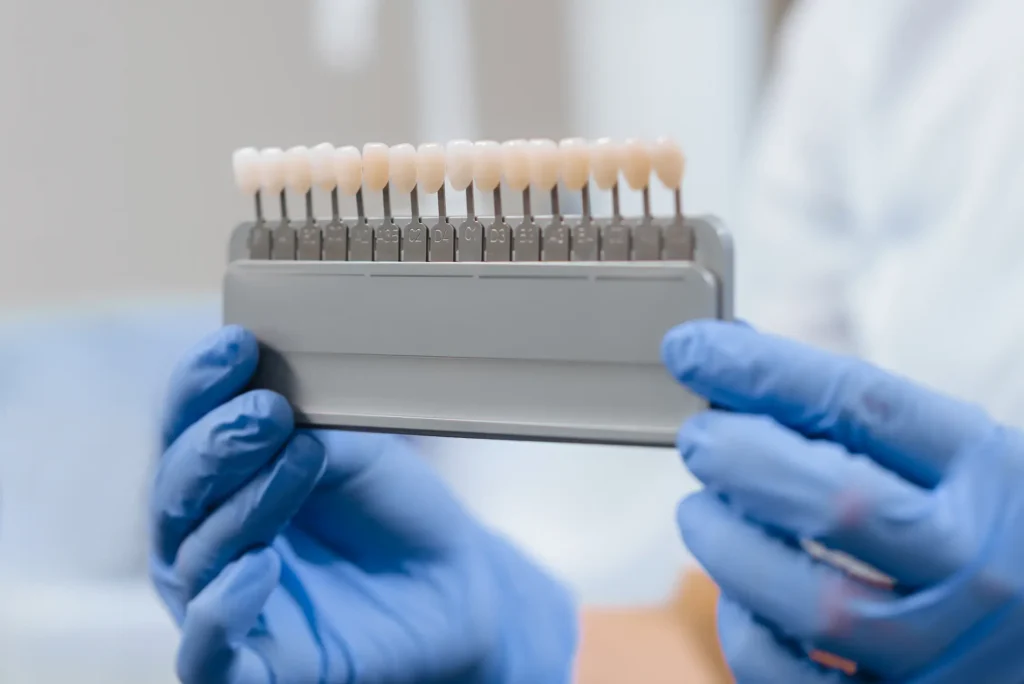
Shade matching is more complex than many patients realize. Teeth are not one solid color from top to bottom. The neck of the tooth near the gum is often slightly warmer, while the edge can be more translucent. Restoring a front tooth well means understanding those variations. This is especially important under different lighting conditions. A repair that looks fine in the operatory can look too opaque outdoors if not handled carefully.
Longevity, maintenance, and what patients often overlook
Cosmetic Cosmetic Dentistry Bakersfield CA dentistry is not a permanent one-time event. It is an investment that lasts best with maintenance. Professional whitening may need periodic touch-ups. Bonding can chip or stain and may need polishing or replacement after several years, depending on habits and bite forces. Porcelain veneers typically last longer, but they are not indestructible.
One of the biggest overlooked factors is the bite. If front teeth collide heavily during normal chewing or grinding, even excellent cosmetic work is under constant stress. A night guard can protect that investment, especially for people who wake up with tight jaw muscles or headaches.
Oral hygiene also affects appearance more than many expect. Plaque dulls the surface of teeth and restorations alike. Inflammatory gum tissue can make beautiful dental work look less attractive. Regular cleanings, careful brushing, flossing, and the occasional polishing appointment help preserve brightness and contour.
There is also the issue of future dental changes. Natural teeth continue to age, and surrounding teeth may darken over time. A bonded or porcelain-restored tooth may eventually stand out if the rest of the smile changes. Planning for long-term harmony matters, especially in younger patients.
How to choose the right provider for Cosmetic Dentistry Bakersfield CA
Skill in cosmetic dentistry is not measured only by whether a dentist offers whitening, bonding, or veneers. It is measured by case selection, restraint, planning, and execution. If you are comparing providers, focus on how they think, not just what they advertise.
Here are a few questions worth asking during a consultation:
- What treatment do you recommend for my specific stain or chip, and why?
- Are there conservative options before veneers or crowns?
- How will this look next to my natural teeth in normal daylight?
- What kind of maintenance or replacement timeline should I expect?
- Do you see any bite or grinding issues that could affect the result?
The answers should sound thoughtful rather than sales-driven. A strong cosmetic dentist explains trade-offs clearly. They do not rush you toward the most expensive treatment. They help you understand why one choice fits your tooth better than another.
The most successful cosmetic cases tend to be the most tailored
The best outcomes for stained or chipped teeth are rarely the flashiest. They are the ones that fit the patient’s face, habits, budget, and long-term dental health. One person may get exactly what they need from whitening and a tiny bonding repair. Another may be better served by veneers on two or four front teeth after years of patchwork bonding and progressive wear. A third may need a more functional plan first because grinding is the real problem behind repeated chipping.
That is the value of experienced cosmetic care. It does not reduce every concern to a single product or procedure. It reads the whole picture. For patients exploring Cosmetic Dentistry Bakersfield CA, that broader view makes all the difference. Stains and chips may seem cosmetic on the surface, but the best treatment is never just about appearance. It is about restoring confidence in a way that looks natural, feels comfortable, and holds up in real life.
Toothworks of Bakersfield, Dentist and Orthodontist
Address: 1030 H St #1, Bakersfield, CA 93304
Phone number: +16613239421
FAQ About Cosmetic Dentistry Bakersfield CA
What is considered cosmetic dentistry?
Cosmetic dentistry includes any dental treatment focused primarily on improving the appearance of your teeth, gums, or bite rather than treating a disease or restoring basic function.
How much does cosmetic dentistry usually cost?
The cost of cosmetic dentistry typically ranges from a few hundred dollars for minor touch-ups to over $20,000 for a comprehensive smile makeover, depending entirely on the specific procedure, materials used, and how many teeth are treated. Because most cosmetic treatments are elective, they are usually paid out of pocket without insurance coverage.
Is there a difference between a regular dentist and a cosmetic dentist?
Yes, a regular dentist focuses on your overall oral health and preventing disease, while a cosmetic dentist focuses on improving the look of your smile.