Dental Bonding vs Veneers: Which Option Is Right for You?
A small chip on a front tooth can feel much bigger than it is. So can a gap that shows up in every photo, or a patch of discoloration that whitening never seems to touch. When patients start looking for cosmetic fixes, two options usually rise to the top very quickly: dental bonding and veneers.
They can both improve the look of your smile, and in some cases they can appear to solve the same problem. That is where the confusion starts. People often come in assuming veneers are the premium version and bonding is the budget version, as if the choice is only about money. It is not that simple. The better option depends on what you want corrected, how long you want the result to last, how much tooth structure you are comfortable altering, and how realistic your expectations are about maintenance.
Both treatments can be excellent. Both can disappoint if chosen for the wrong reason. The real question is not which one is better in the abstract. It is which one fits your teeth, your habits, and your priorities.
Why the comparison is not as straightforward as it seems
Dental bonding and veneers both aim to improve the appearance of teeth, but they https://finnuafe726.urbanvellum.com/posts/dental-bonding-before-and-after-what-results-can-you-expect work in very different ways.
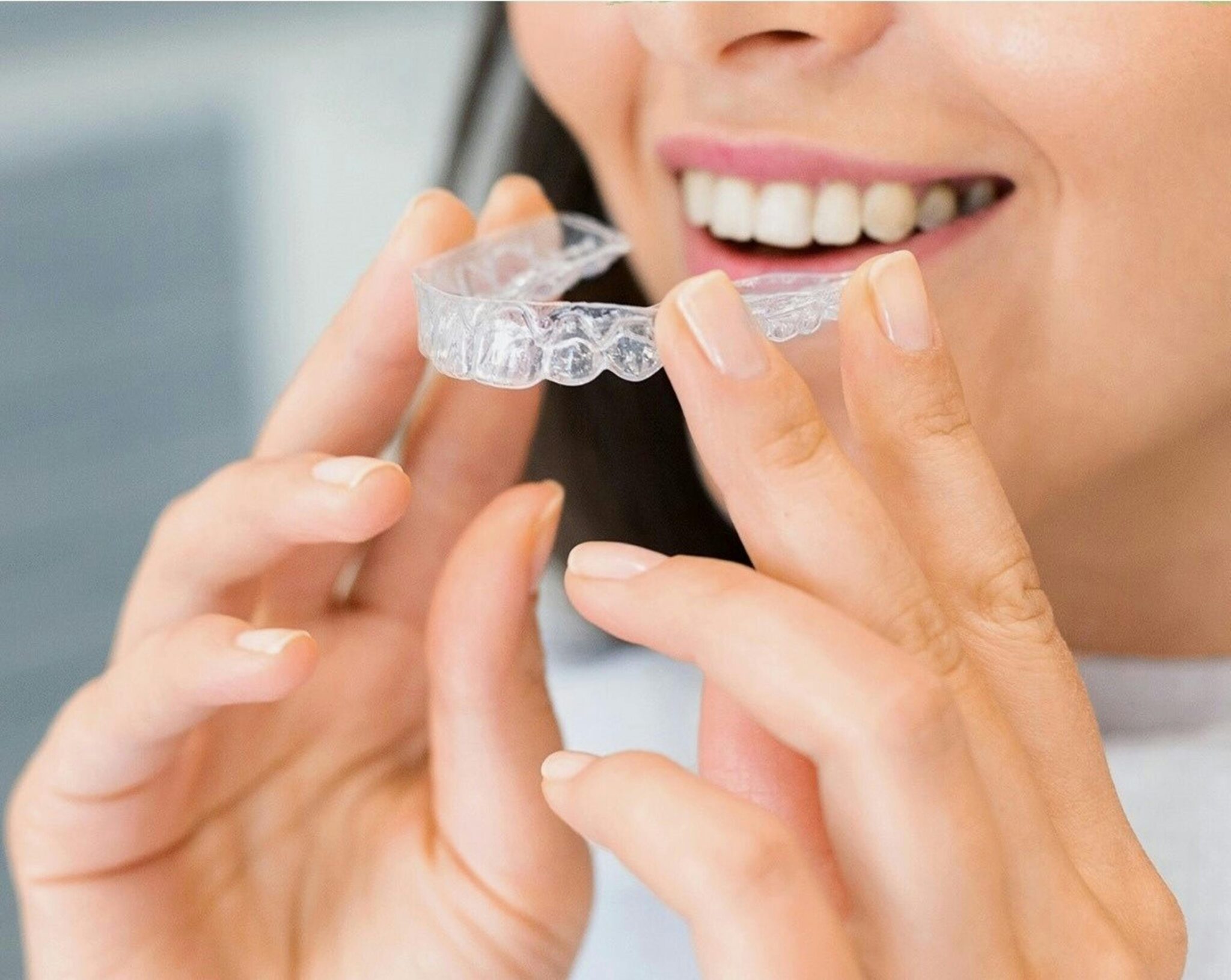
Dental bonding uses a tooth-colored composite resin, the same family of material often used for white fillings. The dentist shapes it directly onto the tooth, sculpts it by hand, and hardens it with a curing light. It is a direct treatment, which means much of the artistry happens chairside in a single visit.
Veneers are thin shells, usually made of porcelain and sometimes made from composite, that cover the front surface of the tooth. Traditional porcelain veneers are indirect restorations. That means the tooth is prepared, records are taken, and the veneer is fabricated outside the mouth before being bonded into place later.
On paper, both can make a tooth look whiter, straighter, longer, more symmetrical, or less damaged. In practice, the route they take to get there is different enough that the experience, cost, maintenance, and long-term trade-offs are not the same.
A patient with one chipped lateral incisor after biting a fork has a different problem from someone with generalized wear, old bonding, and deep tetracycline staining. The first case may be ideal for bonding. The second may push strongly toward veneers, or sometimes a broader treatment plan altogether.
What dental bonding does especially well
Dental Bonding shines when the change needed is conservative and targeted. If a tooth has a minor chip, a slightly uneven edge, a small gap, or a localized defect, bonding can be remarkably effective. In skilled hands, it can blend in beautifully and preserve nearly all natural tooth structure.
That last point matters. Many people want cosmetic improvement without committing to a more invasive treatment. Bonding often allows exactly that. In some cases, the tooth may need little to no drilling. The dentist roughens the surface lightly, applies adhesive, and layers composite to create the desired shape.
For younger patients, this can be particularly valuable. A teenager with a chipped front tooth or naturally small lateral incisors often benefits from bonding because it is conservative and repairable. It buys time. It also avoids rushing into a treatment that may need replacement multiple times over a lifetime.
Bonding is also useful when the goal is refinement rather than reinvention. Maybe one tooth is slightly shorter than the other. Maybe a corner catches light differently in photographs. Maybe there is a black triangle near the gumline after orthodontic treatment. These are situations where composite can be placed with precision and adjusted in real time.
Another practical advantage is speed. Many bonding cases are completed in one appointment, sometimes in under an hour per tooth. For someone preparing for a wedding, job interview, or major event, that matters.
Still, bonding is not magic. It has limits, especially when patients want a dramatic color change or a highly polished, very stable cosmetic result that will hold up for years with minimal maintenance.
Where veneers tend to pull ahead
Veneers, especially porcelain veneers, usually outperform bonding in stain resistance, surface luster, and longevity. Porcelain reflects light in a way that can look very natural, and it tends to keep that appearance longer than composite resin.
If someone has multiple front teeth with significant discoloration, worn enamel, shape inconsistencies, or old restorations that no longer match, veneers can create a more uniform result. They are particularly helpful when the issues are broad rather than isolated.
There is also a durability advantage. While exact lifespan varies with bite forces, hygiene, grinding habits, and material choice, porcelain veneers commonly last much longer than bonding before needing replacement. Bonding may look great on day one, but it is more prone to chipping, edge wear, and staining from coffee, tea, red wine, or smoking.
That does not mean veneers never fail. They can chip, debond, or fracture. Gum recession can expose margins over time. And once a tooth has been prepared for a traditional veneer, you are in a long-term restorative cycle. That is a serious commitment, and patients deserve to understand it before treatment begins.
I have seen people thrilled with veneers because they finally solved a problem that conservative care could not fix. I have also seen people who were steered toward veneers when small, localized bonding would have done the job with far less intervention. Good cosmetic dentistry is not about choosing the most dramatic procedure. It is about choosing the least invasive option that can predictably achieve the patient’s goal.
The biggest practical differences
If you strip away the marketing language, the decision usually comes down to a handful of real-world factors:
- Bonding is usually less expensive upfront than porcelain veneers.
- Bonding is typically completed in one visit, while veneers often require at least two.
- Bonding preserves more natural tooth structure in many cases.
- Veneers usually resist staining and wear better over time.
- Bonding is easier to repair, while veneers are often more stable but more involved to replace.
That summary is useful, but it only gets you so far. Patients do not live inside bullet points. They live with habits, budgets, coffee cups, night grinding, weddings, deadlines, and the occasional bad tendency to open packages with their teeth.
Cost matters, but not in the way many people think
Bonding is often the less expensive option at the start. For a single tooth, the difference can be substantial. That makes it attractive, and understandably so.
But the lower upfront cost does not automatically mean lower lifetime cost. Composite bonding may need touch-ups, polishing, repairs, or replacement sooner than porcelain veneers. If the bonded edge chips every couple of years because of a heavy bite or nail biting habit, the math starts to change.
On the other hand, not every case needs a restoration designed to last fifteen years or more. If the cosmetic issue is minor, spending significantly more for veneers may not be the wisest move. There is no trophy for over-treating a small problem.
It also helps to separate “expensive” from “valuable.” A well-done single-tooth bonding repair can be one of the best values in cosmetic dentistry. A full set of veneers can also be a good value for the right patient if it addresses multiple issues at once and provides a stable, satisfying result for many years.
The problem starts when people compare the cost of one tooth of bonding to a multi-tooth veneer case, or assume that because veneers cost more, they must be better for every situation. Cosmetic dentistry does not work that way.
Appearance on day one versus appearance five years later
This is one of the most important distinctions, and it rarely gets enough honest attention.
Immediately after treatment, both bonding and veneers can look excellent. In photographs, the difference may be hard for a non-dentist to spot, especially when the work is limited to one or two teeth and done by someone with a good eye.
The divergence often shows up over time.
Bonding is more porous than porcelain. It can pick up stains, lose some gloss, and show edge wear. It may need polishing to bring back its finish. If the original repair involved a thin incisal edge, that area may be more vulnerable to chipping.
Porcelain generally keeps its polish and color better. It is not stain-proof, but it is more stain-resistant than composite. The surface tends to remain smoother and brighter, which is one reason veneers can still look polished years later while bonding may start to look a little tired.
That said, the better long-term aesthetic result is not always porcelain by default. A beautifully matched, conservative bonding case on a healthy tooth can age very nicely if the patient takes care of it and the bite is favorable. A poorly planned veneer case can look bulky, opaque, or artificial from the start. Material matters, but design and execution matter just as much.
Tooth preservation is not a small issue
One of the strongest arguments in favor of dental bonding is that it often preserves more natural enamel. In dentistry, that is a major advantage. Enamel does not grow back. Once it is removed, the tooth is on a restorative path.
With bonding, very little reduction may be needed, and sometimes none at all beyond surface preparation. That makes the treatment more reversible in spirit, even if not completely reversible in a technical sense.
Traditional veneers usually require some enamel reduction so the final restoration is not bulky. The amount varies. Modern techniques can be quite conservative, and “minimal prep” veneers are real in selected cases. But patients should not assume that veneers are always no-drill or fully reversible. Those phrases are often used loosely in marketing, and they deserve careful clarification.
If a patient is twenty-five years old with healthy, attractive teeth and a couple of small cosmetic concerns, preservation should weigh heavily in the discussion. If a patient is fifty-five with extensive wear, multiple failing restorations, and deep intrinsic staining, the equation is different.
The best cosmetic dentists tend to be conservative thinkers. They know how to do veneers, but they also know when not to.
The role of bite, habits, and lifestyle
A treatment that looks perfect in the mirror can fail quickly if it does not respect how a person actually uses their teeth.
Someone who clenches at night, grinds, bites pens, chews ice, or tears open wrappers with their front teeth puts any cosmetic work at greater risk. Bonding tends to be more vulnerable in these situations, particularly on the edges of front teeth. Porcelain is harder and more stable in some respects, but it is not invincible either. Under enough force, it can chip or crack.
This is where clinical judgment matters. A person with a heavy bite and obvious wear facets may need a night guard no matter which option they choose. In some cases, a dentist may advise against extensive bonding because repair frequency is likely to be high. In others, bonding may still be the smarter starting point because it is easier to adjust and replace while testing how the bite behaves.
Lifestyle affects maintenance, too. If someone drinks coffee throughout the day and smokes occasionally, composite bonding may discolor faster. If someone wants the whitest possible smile but has no interest in ongoing polishing appointments, veneers may align better with their expectations.
There is no moral value attached to any of this. It is simply about matching the material to real habits instead of ideal habits.
For small flaws, bonding often makes more sense
Many cosmetic concerns are smaller than they feel. A little asymmetry can loom large when it is your own reflection, but the best fix is not always the biggest one.
If you have a tiny chip, a minor gap, one oddly shaped tooth, or a surface defect from old orthodontic brackets, Dental Bonding is often the first treatment worth considering. It is conservative, efficient, and usually capable of producing a very pleasing result without reshaping several healthy teeth.
This is especially true when the surrounding teeth already look good. Covering multiple teeth with veneers to fix one isolated issue can be excessive. Some patients are surprised to hear a dentist talk them out of veneers, but that is usually a sign of honest, thoughtful care.
A practical example: a patient in her early thirties came in bothered by a small space between her front teeth and slight chipping from years of edge wear. She had healthy enamel, a good natural tooth color, and no major bite problems. Bonding closed the space and rebuilt the edges in one visit. It looked balanced and natural. Veneers would have cost more, removed more enamel, and solved a problem that did not require that level of intervention.
For broader smile makeovers, veneers may be worth the commitment
There are also cases where bonding starts to stretch beyond its comfort zone.
If several front teeth are discolored, mismatched, worn down, or crowded in a way that creates visual imbalance, veneers can offer a cleaner and more predictable path. They allow for coordinated control over shape, color, length, and symmetry across the smile zone. That level of consistency is difficult to achieve with composite alone in many complex cases, especially if the patient wants a brighter, more polished finish.
Porcelain can also be a better answer when there are old cosmetic repairs of different ages and shades on multiple teeth. Trying to patch and blend each one with new bonding can become an ongoing maintenance project. Sometimes it makes more sense to reset the situation comprehensively.
The key is that the scope of treatment should match the scope of the problem. Veneers are not only for dramatic celebrity-style makeovers. They can be sensible, measured dentistry when multiple front teeth need coordinated correction. But they should not be treated as a shortcut around good diagnosis.
Questions worth asking before you commit
A cosmetic consultation should feel like a conversation, not a sales pitch. If you are trying to decide between bonding and veneers, these questions tend to bring the real issues into focus:
- How much healthy tooth structure will need to be removed in my case?
- What is the realistic lifespan of each option given my bite and habits?
- If something chips or stains, how easy is it to repair?
- Can you show me cases similar to mine, not just ideal before-and-after photos?
- Would you recommend the same treatment if I were your family member?
That last question often cuts through the noise. A clinician who answers it carefully is usually thinking beyond the immediate procedure.
The importance of shade, shape, and restraint
One overlooked factor in cosmetic dentistry is restraint. The most attractive smiles often do not look “done.” They look healthy, proportionate, and believable.
Bonding and veneers can both go wrong when they are overbuilt, over-whitened, or designed without respect for the patient’s face, lip movement, age, and neighboring teeth. The temptation to chase perfection can create a result that draws attention for the wrong reason.
Composite bonding requires an especially good eye because the dentist is sculpting freehand, often while matching subtle translucency and edge effects. Veneers require equally strong planning, because what comes back from the lab has to work with the mouth, not just the model. In both cases, experience matters. So does taste.
If a consultation focuses entirely on “perfect white teeth” without discussing enamel preservation, bite, gum levels, or long-term maintenance, pause. Cosmetic treatment is at its best when beauty and biology are considered together.
When one treatment leads to the other
There is also a middle ground that patients should know about. Bonding and veneers are not always mutually exclusive.
Sometimes bonding is used as a transitional step. A patient may choose bonding first because they want a conservative solution now, knowing that veneers may become appropriate later. This can make sense for younger adults, for people testing a shape change before making a longer-term commitment, or for those staging treatment financially.
In other situations, bonding can complement veneers. A patient might have veneers on a few key front teeth and bonding on a neighboring tooth that needs only a minor adjustment. Hybrid approaches are common in thoughtful dentistry because teeth do not all arrive with the same needs.
What matters is that the treatment plan is driven by the condition of each tooth, not by a one-size-fits-all philosophy.
So which option is right for you?
If your concern is small, localized, and mostly about shape or a minor chip, dental bonding is often the more conservative and sensible choice. It can deliver beautiful results with less cost, less time, and less alteration of healthy tooth structure.
If your concerns involve multiple teeth, deeper discoloration, significant wear, or a strong desire for a longer-lasting and more stain-resistant cosmetic result, veneers may justify the greater investment and commitment.
The best decisions usually come from balancing four things: how much change you want, how much tooth structure you want to preserve, how much maintenance you are willing to accept, and how your teeth function day to day. A quick online comparison cannot settle that. A careful exam, photographs, bite assessment, and an honest conversation can.
A good dentist will not start by asking which product you want. They will start by looking at your teeth, listening to what bothers you, and figuring out the least invasive way to reach a result that still looks good years from now. That is the standard worth looking for, whether you leave with bonding, veneers, or the advice to do nothing at all for now.
Toothworks of Bakersfield, Dentist and Orthodontist
Address: 1030 H St #1, Bakersfield, CA 93304
Phone number: +16613239421
FAQ About Dental Bonding
How long does dental bonding last?
Dental bonding typically lasts between 3 and 10 years (averaging about 5 to 8 years) before it needs a touch-up or replacement. Its lifespan depends heavily on your daily habits, where the bonding is placed in your mouth, and how well you care for your teeth.
How expensive is bonding a tooth?
Dental bonding typically costs between $100 and $600 per tooth, with a national average of about $431 per tooth.
What are the downsides of dental bonding?
Dental bonding has several drawbacks, including lower durability, a shorter lifespan, and a tendency to stain compared to alternatives like porcelain veneers.