Why Dental Bonding Is Great for Minor Smile Corrections

A small chip on a front tooth can change the way a person smiles in photos. A narrow gap between two teeth can draw the eye more than anyone expects. Slightly uneven edges, worn corners, or a spot of discoloration that whitening will not lift can become the one thing a patient notices every time they look in the mirror. These are not major dental problems, but they are often meaningful ones. They affect confidence, speech habits, and sometimes even social ease.
This is where dental bonding earns its reputation. For the right patient and the right kind of cosmetic concern, bonding can be one of the most practical and satisfying treatments in dentistry. It is conservative, relatively quick, and often less expensive than veneers or crowns. Just as important, it can produce a visible improvement without removing much, if any, healthy tooth structure.
In everyday practice, many minor smile corrections do not require a dramatic solution. They require a careful eye, a steady hand, and a material that can be shaped with precision. Dental Bonding fits that need very well.
What dental bonding actually is
Dental bonding uses a tooth-colored composite resin to improve the shape, color, or contour of a tooth. The same family of material is widely used for tooth-colored fillings, but in cosmetic bonding the goal is not simply to repair decay. It is to blend function and appearance so the result looks natural in conversation, in daylight, and under close inspection.
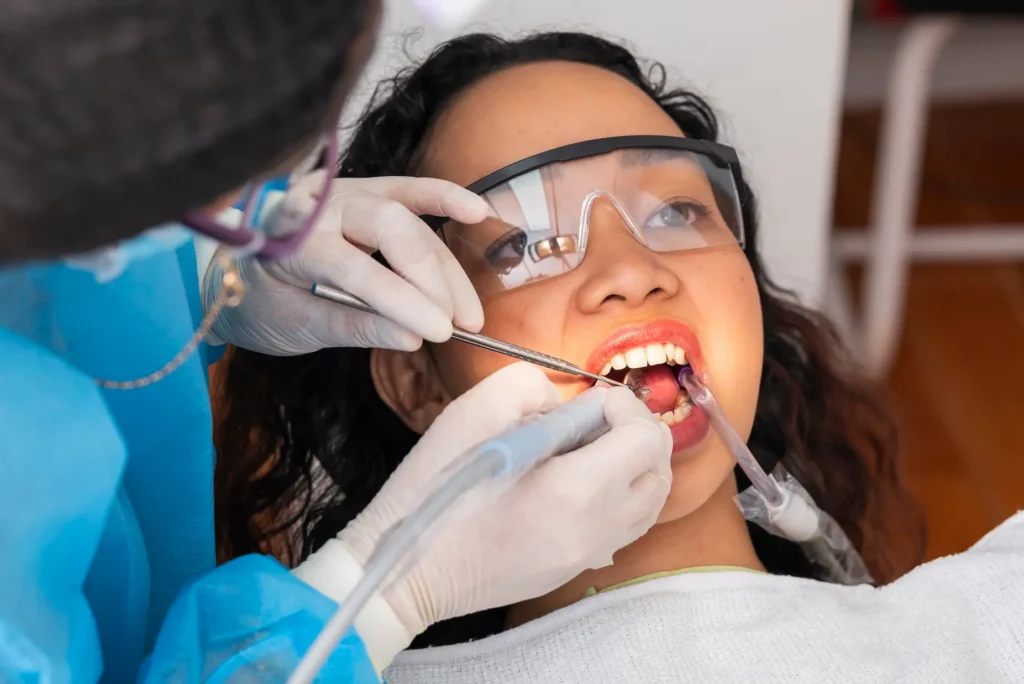
The resin starts soft and moldable. After the tooth is prepared, the dentist places and sculpts the material directly on the tooth. A curing light hardens it, and then the bonded area is refined, smoothed, and polished. When done well, the restoration does not look like a patch. It looks like part of the tooth.
One reason bonding is so appealing is that it is additive. Rather than aggressively cutting away tooth structure, the dentist can often build up what is missing or reshape what is slightly irregular. That matters, especially for younger patients or adults who want cosmetic improvement without committing to a more invasive option.
Why minor corrections are where bonding shines
Dental Bonding is not meant to solve every cosmetic issue. It is not the strongest choice for every bite pattern, and it is not the best answer for every kind of stain or fracture. But for minor corrections, it often hits the sweet spot between appearance, time, and cost.
A patient with a tiny chip after biting a fork, a worn edge from years of grinding, or a triangular space near the gumline may not need porcelain veneers. In many cases, a few carefully placed layers of composite can correct the problem beautifully. This is especially true when the underlying tooth is healthy and the issue is limited to shape, symmetry, or modest color mismatch.
The appeal is practical as much as cosmetic. Bonding can usually be completed in a single visit. There is often little or no anesthesia needed. The treatment tends to preserve natural enamel. If a patient wants to make a subtle improvement before a wedding, job interview, or reunion, bonding can often deliver that result without a long treatment timeline.
That speed should not be mistaken for simplicity. Good bonding is artistic work. Matching color, translucency, surface texture, and contour requires experience. A front tooth does not reflect light the same way at the biting edge as it does near the gumline. A flat, overbuilt restoration may look acceptable in the operatory mirror and then look obvious outdoors. The best results come from careful layering and finishing, not from rushing.
The kinds of smile concerns bonding can improve
Some cosmetic concerns are ideal candidates for bonding because they are limited in scope and respond well to direct reshaping. In real practice, the most common situations include the following:
- Small chips or rough edges on front teeth
- Minor gaps between teeth
- Slightly uneven tooth length or shape
- Localized discoloration that whitening cannot fix
- Mild wear that has softened the edges of a smile
Each of these issues can seem minor clinically while feeling major personally. A patient may say, "It is just a little chip," but then admit they always smile with lips closed. That disconnect is common. Cosmetic dentistry often deals in millimeters, but those millimeters matter.
Take a small gap, for example. If the teeth are otherwise healthy and proportionate, bonding can sometimes close the space in one visit while preserving the natural look of the smile. The key is restraint. If too much width is added, the teeth can appear bulky. If the line angles are misplaced, the teeth can look square or unnatural. The goal is not to make the smile perfect in an artificial sense. The goal is to make it harmonious.
Chips are another strong indication. A tiny fracture on the edge of an incisor may not threaten the tooth structurally, but it catches light differently and interrupts the smile line. Composite can restore that contour quickly and with very little intervention. Patients are often surprised by how much difference such a small repair can make.
Why patients often choose bonding over veneers
Veneers are excellent in the right situation. They offer superb stain resistance, longevity, and esthetics when planned well. Still, they are not automatically the best first step for every cosmetic concern. Bonding often appeals to patients because it asks less of the tooth and less of the budget.
There is also a psychological advantage. Some patients want to improve one or two teeth but are not ready for a larger cosmetic case. Bonding allows them to make a meaningful change without feeling that they have crossed into major treatment. It can be a smart bridge between doing nothing and doing everything.
In many consultations, the decision comes down to the scale of the problem. If a patient has multiple teeth with significant discoloration, broad shape issues, or old restorations that need comprehensive redesign, porcelain may be the more predictable long-term route. If the concern is modest and localized, bonding is often the more conservative choice.
The cost difference matters too. Fees vary by region and complexity, but bonding is generally more affordable than veneers. That does not mean cheap work should be the goal. Cosmetic bonding still demands skill. It simply means the treatment can be more accessible for patients who want a visible upgrade without a large financial commitment.
For patients exploring Dental Bonding in Bakersfield CA, this balance between affordability and natural-looking improvement is often what makes the treatment so attractive. In a busy family schedule, the ability to address a minor cosmetic issue in one visit can be a major advantage.
The appointment is usually straightforward
Most bonding appointments are remarkably manageable from the patient's perspective. There is no lab case to wait for, no temporary restorations in many situations, and often no downtime worth mentioning. The process is technique-sensitive for the dentist, but it is usually easy on the patient.
A typical visit tends to follow a simple sequence:
- The tooth is evaluated, shade-matched, and lightly prepared if needed.
- The surface is conditioned so the resin can adhere securely.
- Composite is placed in layers, shaped carefully, and cured with a light.
- The bonded area is refined, polished, and adjusted to the bite.
The details inside those steps are what determine the quality of the result. Shade selection, for instance, sounds simple but rarely is. Natural teeth are not one uniform color. They can have warmer tones near the gumline, more translucency at the edge, and subtle variations that make them look alive rather than opaque. A well-trained cosmetic dentist notices those features and tries to replicate them.
Bite adjustment is equally important. A bonded edge that looks great but strikes too hard against the opposing tooth may chip earlier than it should. Small refinements after the material is cured can make the difference between a restoration that feels seamless and one that constantly catches the patient's attention.
What makes bonding especially appealing for conservative dentistry
The phrase "conservative treatment" gets used often in dentistry, sometimes too casually. In the case of bonding, it is usually accurate. Preserving healthy enamel is a real advantage. Once enamel is removed, it does not grow back. Treatments that achieve the goal while leaving more natural tooth intact deserve serious consideration.
That does not mean every conservative option is automatically best. A treatment has to be appropriate, stable, and esthetic. But when a patient has a small cosmetic issue on an otherwise healthy tooth, bonding often respects the biology of the tooth better than more aggressive alternatives.
This becomes especially relevant for younger adults. A person in their twenties with a tiny chip or gap may benefit from a treatment that improves the smile now while keeping future options open. Bonding can often be repaired, modified, or replaced later if circumstances change. It is not always permanent in the way porcelain restorations are, and for some patients that flexibility is a benefit.
The trade-offs patients should understand
Bonding has real strengths, but honest dentistry always includes the trade-offs. Composite resin is durable, though generally not as durable or stain-resistant as porcelain. It can pick up discoloration over time, especially in patients who smoke or drink frequent coffee, tea, or red wine. It can also chip or wear, particularly on front teeth that endure heavy bite forces or habits like nail biting.
Longevity varies. Some bonded restorations look excellent for many years, while others need polishing, repair, or replacement sooner. The outcome depends on the location of the bonding, the patient's bite, oral habits, and maintenance. A small bonded area on a tooth with a gentle bite may last quite well. A larger bonded edge on someone who clenches or grinds is under far more stress.
This is where expectations matter. Bonding is excellent for refinement and repair, but it is not indestructible. Patients who understand that tend to be happiest with the treatment. They value the conservative approach and accept that touch-ups may be part of the long-term picture.
Dentists also have to be selective. If a patient has severe edge-to-edge bite contact, untreated grinding, or Dental Bonding Bakersfield CA widespread enamel erosion, bonding on front teeth may fail more often unless the underlying issue is addressed. In some cases, a night guard becomes part of protecting the investment. In others, a different restorative option may simply be smarter.
A natural result depends on more than color
Patients often assume the main challenge in cosmetic dentistry is matching the shade. Shade matters, but shape, texture, and proportion are often even more important. A bonded tooth can be the right color and still look wrong if the contours are off.
Front teeth have subtle anatomy. Light reflects differently off rounded surfaces than it does off flat ones. The edges are not identical from tooth to tooth. Surface texture, tiny developmental lines, and the placement of height and width all affect how natural a restoration appears.
An experienced dentist pays attention to the smile as a whole. If one front tooth is chipped and repaired, the bonded result should fit the rhythm of the neighboring teeth. If a gap is being closed, the width added to each tooth should preserve natural proportions. If a worn edge is being rebuilt, the new contour should suit the patient's age, lip line, and facial features.
These details may sound small, but they are exactly why some bonding disappears into the smile while other bonding looks obvious. Technical skill matters. Artistic judgment matters just as much.
Everyday habits that help bonding last longer
Composite restorations respond well to basic care, but patients do best when they treat bonded teeth with a bit of common sense. The goal is not to be fragile. It is to Dental Bonding Bakersfield CA avoid using front teeth as tools and to protect them from avoidable stress.
Good hygiene remains essential because the surrounding tooth and gums still need to stay healthy. Regular polishing at dental cleanings can help bonded areas maintain a fresh appearance. If a patient notices roughness, dullness, or a tiny edge change, it is worth having it checked early. Small touch-ups are easier than bigger repairs.
A few habits make a noticeable difference over time:
- Avoid biting ice, pens, fingernails, or hard packaging with front teeth
- Keep up with cleanings and exams so small issues are caught early
- Use a night guard if grinding or clenching is a known problem
- Limit frequent exposure to strong staining agents when possible
- Mention any change in bite or roughness before it becomes a chip
None of this is extreme. It is the same kind of practical advice given after many conservative cosmetic treatments. Patients who follow it usually get better mileage from their bonding.
Bonding can also be emotionally significant
One aspect of cosmetic dentistry that often gets underestimated is how quickly a small improvement can change behavior. A patient who has hidden a chipped tooth for years may start smiling more openly the same day it is repaired. Someone who has always noticed a slight asymmetry may finally stop fixating on it after a subtle recontouring.
These are not dramatic Hollywood transformations. They are quieter than that, and often more meaningful. Dentistry sees this often. The issue may be medically minor, yet personally important. A treatment that is conservative, efficient, and visually effective can have an outsized impact on confidence.
That is one reason Dental Bonding remains so relevant even as newer cosmetic materials and digital workflows continue to evolve. Not every patient needs a complex makeover. Many just need one tooth softened, one corner repaired, or one gap narrowed. When the treatment matches the problem, the result feels sensible rather than excessive.
When bonding may not be the best choice
A balanced discussion also means saying when bonding is not ideal. If discoloration is deep and widespread, veneers or crowns may deliver a more stable esthetic result. If the tooth has a large existing restoration or significant structural damage, a stronger restorative approach may be needed. If spacing issues are tied to bite relationships or tooth position, orthodontic treatment may be the more biologically sound answer.
There are also cases where patients want a level of uniformity that direct composite may not consistently provide, especially across multiple front teeth. Porcelain can offer greater control for larger cosmetic redesigns. Bonding is excellent, but it has a lane. Staying within that lane is part of good treatment planning.
That said, many people are surprised to learn how often their concern falls well within bonding's strengths. The key is a thoughtful exam, a candid conversation about goals, and a dentist who is comfortable explaining both the possibilities and the limitations.
Why the right provider matters
Because bonding is done directly by hand, the dentist's technique has an unusually strong influence on the final result. This is not a treatment where material alone determines quality. Judgment, patience, and finishing skill matter at every stage.
Patients considering Dental Bonding in Bakersfield CA should look for a provider who discusses esthetics clearly, shows attention to bite and function, and approaches small cosmetic cases with the same seriousness given to larger ones. The best outcomes often come from dentists who enjoy detail work and who understand that a conservative treatment still deserves careful planning.
Photos of prior work can be helpful, but the consultation itself usually reveals a lot. Does the dentist explain what bonding can realistically fix? Do they discuss longevity honestly? Do they evaluate the bite rather than focusing only on the mirror view? Those are good signs.
A practical, elegant option for the right smile concerns
For minor smile corrections, Dental Bonding continues to stand out because it is practical without being simplistic. It can repair a small chip, close a modest gap, soften uneven edges, and improve localized discoloration without asking the patient to commit to extensive dentistry. It preserves tooth structure, often fits into a single appointment, and can make a very real difference in how a smile looks and feels.
That combination is hard to beat. When the issue is small, the treatment should be appropriately measured. Bonding often provides exactly that, a polished, conservative answer to a problem that may be minor clinically but important personally. For many patients, that is not just convenient. It is the right kind of dentistry.
Toothworks of Bakersfield, Dentist and Orthodontist
Address: 1030 H St #1, Bakersfield, CA 93304
Phone number: +16613239421
FAQ About Dental Bonding Bakersfield CA
How long will dental bonding last?
Dental bonding typically lasts between 3 and 10 years before it needs a touch-up or replacement. Its lifespan depends heavily on the tooth's location, your daily habits, and your oral hygiene.
How expensive is bonding a tooth?
Dental bonding typically costs between $100 and $600 per tooth for standard procedures, with a national average of about $431 per tooth. Complex repairs can reach up to $1,000 per tooth.
Is bonding your teeth a good idea?
Dental bonding is generally worth it if you want an affordable, fast, and non-invasive way to fix minor tooth flaws. It typically costs between $150 and $600 per tooth, takes 30 to 60 minutes in a single visit, and preserves your natural tooth enamel. However, it is less durable and stains easier than porcelain alternatives.